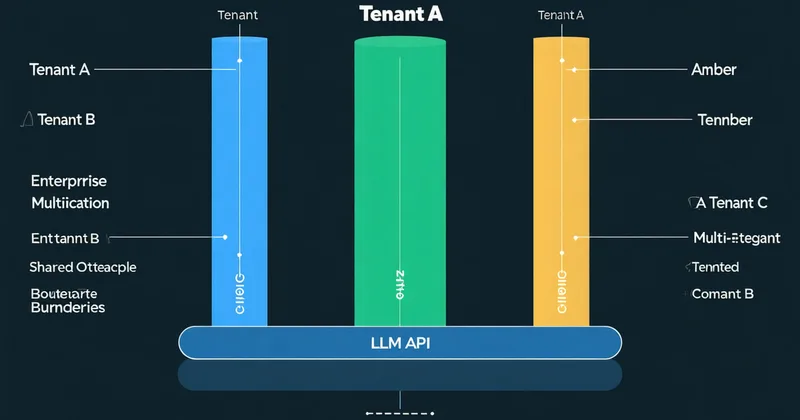
Tenant Isolation Patterns for Multi-Tenant LLM Infrastructure
When a single LLM endpoint serves multiple internal departments or external clients, tenant bleed is not theoretical — it is an architectural inevitability without explicit isolation.
Field notes on PII redaction, audit log design, prompt injection defense, and enterprise compliance — written by practitioners deploying LLM policy infrastructure in regulated environments.
When a single LLM endpoint serves multiple internal departments or external clients, tenant bleed is not theoretical — it is an architectural inevitability without explicit isolation.
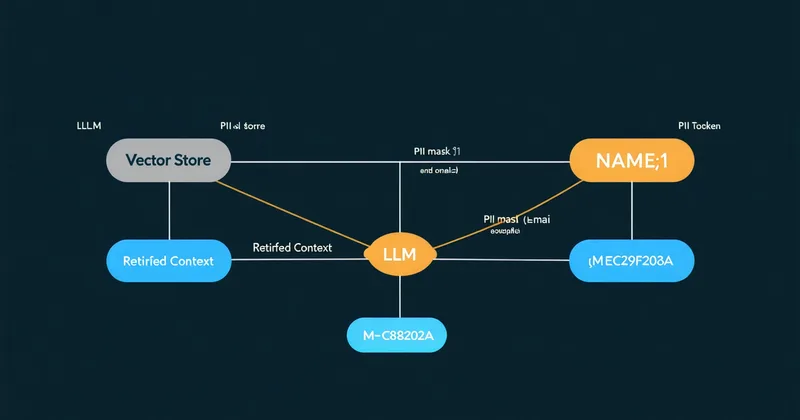
RAG pipelines introduce a new PII surface: the retrieved context. We examine where personal data leaks into retrieved chunks and how entity-level redaction must handle partial-name and indirect identifiers.
The EU AI Act's high-risk system classification catches many enterprise LLM use cases off guard. We map the Act's transparency and logging requirements to concrete technical controls.
After sitting through three enterprise compliance reviews, we catalogued the exact log fields auditors request — and which ones most teams are missing.
Prompt injection remains the top exploitable surface in enterprise LLM deployments. We break down detection strategies, proxy-layer interception, and log signatures that distinguish genuine jailbreaks.